
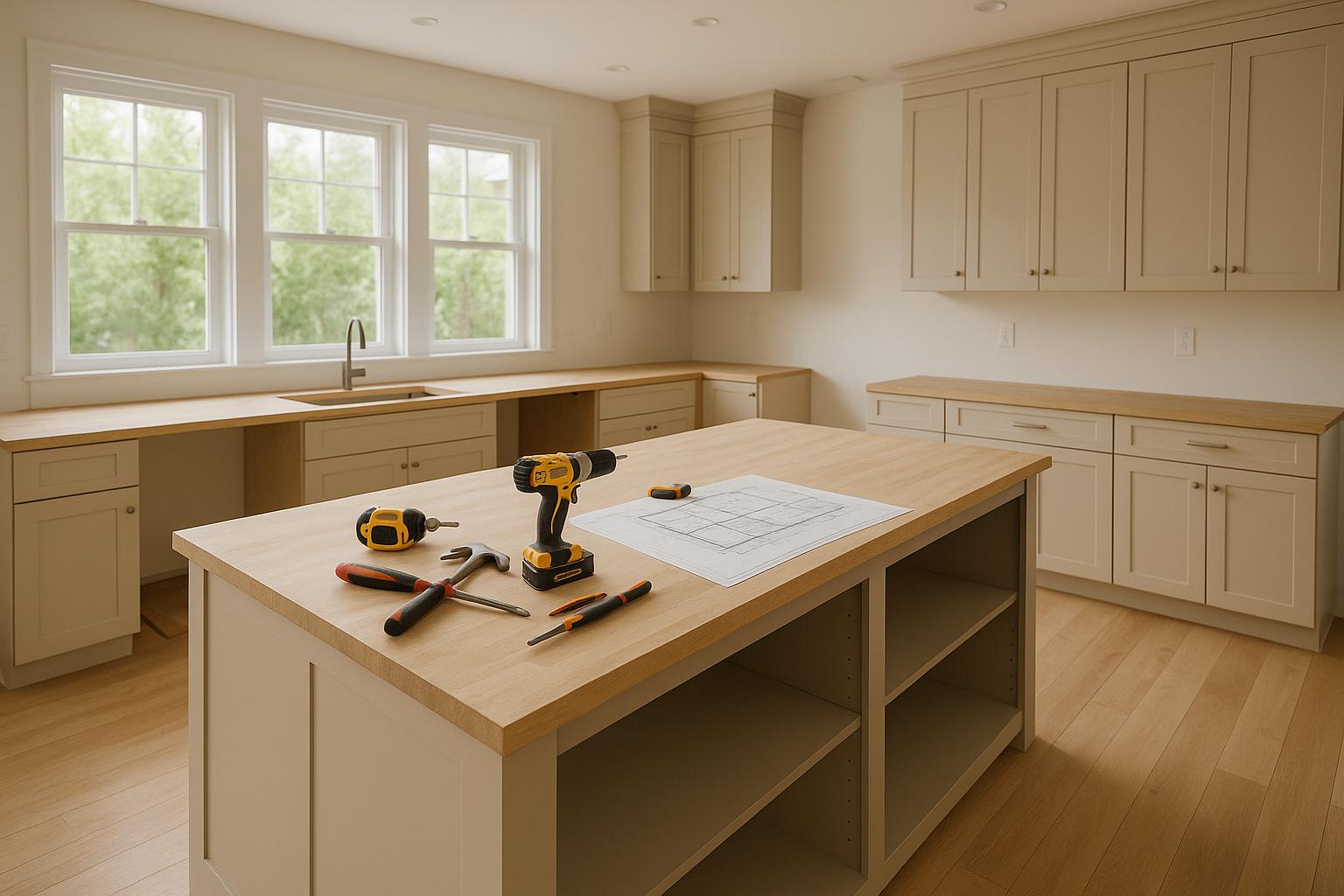
Kitchen remodeling is an exciting yet challenging journey that can transform the heart of your home into a functional and visually stunning space. Whether you’re modernizing outdated cabinetry, upgrading appliances, or reimagining the layout for better flow, each detail matters. Based on expert insights from a real-life DIY kitchen remodel project, this article breaks down everything you need to know to plan and execute a successful kitchen renovation.
Why Plan Before You Remodel?
A thoughtful and well-executed plan is the cornerstone of any successful kitchen remodel. Whether you’re aiming for better aesthetics, improved functionality, or increased resale value, a clear roadmap ensures your project stays on track, on budget, and aligned with your vision. By addressing common pain points in your current kitchen and defining your goals early, you can create a space that not only meets but exceeds your expectations.
Here, we’ll walk you through the key components of planning, from defining your goals and setting a budget to selecting materials and designing layouts.
Step 1: Define Your Goals
Ask yourself: What’s the purpose of this remodel? This foundational step will guide all your decisions. Consider the following:
- Functionality: Do you need more storage or counter space? Is the current layout inefficient?
- Aesthetics: Are you modernizing outdated finishes or aligning the design with your personal taste?
- Resale Value: If you plan to sell your home, focus on upgrades that appeal to potential buyers.
Identifying your kitchen’s pain points, such as inconvenient layouts or insufficient lighting, will help you address these issues during your remodel. Additionally, decide if you’re making structural changes (e.g., moving appliances or walls) or sticking to surface-level updates.
Step 2: Set a Realistic Budget
Budgeting is one of the most critical aspects of planning a kitchen remodel. Start by outlining major cost categories:
- Cabinets: Typically one of the largest expenses in a remodel.
- Countertops: Materials like quartz, granite, or butcher block carry different costs.
- Appliances: Decide whether to upgrade all appliances or keep some existing ones.
- Flooring: Options range from hardwood to luxury vinyl planks (LVP), each with its own price range.
- Labor: Factor in contractor fees if you’re outsourcing parts of the project.
Pro Tip: Always include a 10-20% contingency fund to account for unexpected costs, such as hidden plumbing issues or delays.
Step 3: Measure Everything and Create a Layout
Accurate measurements are essential for a smooth renovation process, especially when designing cabinetry or ordering materials. Here’s how to get started:
- Measure the Space: Document every dimension – floor-to-ceiling height, door and window placements, and wall lengths.
- Layout Planning: Use tools like SketchUp or kitchen design apps to visualize your space. A layout plan should clearly identify where each appliance, cabinet, and fixture will go.
- Incorporate Functionality: Ensure there’s enough counter space around key areas like the stove and sink.
Design Tip: Save space by extending upper cabinets to the ceiling for added storage.
Step 4: Select Materials and Finishes
Choosing materials and finishes is where you can let your personal style shine. Consider these key elements:
- Cabinetry: Shaker-style cabinets are a timeless choice and can be customized with hardware for a polished look.
- Countertops: Materials like quartz are durable and low-maintenance, while butcher block adds natural warmth.
- Backsplash: A stylish backsplash can tie the design together. Subway tiles are a classic option, while mosaics or textured tiles add a modern twist.
- Flooring: Luxury vinyl planks (LVP) are ideal for kitchens due to their waterproof and antimicrobial properties.
- Lighting: Integrated puck lights or under-cabinet lighting enhances brightness and functionality.
Pro Tip: Create a mood board with samples (flooring, backsplash tiles, paint color) to ensure cohesive design choices.
Step 5: Plan for Utilities and Structural Considerations
A remodel often involves working with electrical, plumbing, and ventilation systems. Key considerations include:
- Adding outlets for modern appliances like dishwashers or microwaves.
- Ensuring proper plumbing connections for sinks and dishwashers.
- Installing proper ventilation for cooking areas.
If your remodel involves structural changes, such as moving walls or relocating appliances, plan for professional assistance to ensure everything is up to code.
Step 6: Establish a Project Timeline
Setting a realistic timeline is crucial, especially if your kitchen is a high-traffic area in your home. Be mindful of the following:
- Custom Cabinet Lead Times: Custom cabinets may take several weeks to arrive after ordering.
- Countertop Installation: After cabinets are installed, professionals will measure for countertops, which then need to be fabricated and installed – this process can take weeks.
- Unpredictable Delays: Weather, supply chain issues, or contractor schedules can all impact your timeline.
Step 7: Prep Your Home for the Remodel
Living without a functioning kitchen can be challenging. Set up a temporary kitchen space with essential appliances like a microwave, toaster oven, and mini-fridge to sustain you during construction.
Step 8: Document the Process
Take plenty of "before" photos to capture the transformation and celebrate your work. Documenting your progress will also help if you plan to share your experience or troubleshoot issues later.
Step 9: Stay Flexible
Every remodel comes with surprises, from hidden structural issues to design changes. Remember, everything is figure-outable. Keep a calm mindset and work with your team or adjust your DIY approach to find solutions that align with your vision and budget.
Key Takeaways
Here are essential tips to ensure a successful kitchen remodel:
- Define Your Goals: Focus on functionality, aesthetics, or resale value.
- Set a Budget: Include a contingency for unexpected costs.
- Measure and Plan Layouts: Accurate measurements are critical for design execution.
- Choose Durable Materials: Pick finishes that balance style with practicality.
- Plan for Utilities: Coordinate electrical, plumbing, and ventilation needs.
- Create a Flexible Timeline: Expect delays and plan accordingly.
- Set Up a Temporary Kitchen: Ensure minimal disruption to daily life.
- Document the Journey: Capture before-and-after photos for personal satisfaction.
- Be Prepared for Surprises: Stay adaptable and problem-solve when challenges arise.
Final Thoughts
Planning a kitchen remodel is a complex but rewarding endeavor. By breaking down the process into manageable steps and staying organized, you can transform your space into a functional and beautiful centerpiece for your home. Whether you’re undertaking this journey as a DIY project or partnering with professionals, thoughtful planning will make the experience smoother and more enjoyable.
With careful attention to detail, your dream kitchen is well within reach. Start with a clear vision, trust the process, and enjoy bringing your ideas to life!
Source: "Planning a Kitchen Remodel? Watch This First!" – Rusty Dog & Co., YouTube, Aug 21, 2025 – https://www.youtube.com/watch?v=vESC3-EIiOc