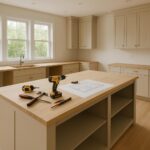
Kitchens have always been the heart of the home, but in 2025, they’re evolving in exciting new ways. No longer just functional spaces to cook or store groceries, today’s kitchens are multi-purpose hubs for entertaining, showcasing style, and supporting personalized routines. In a recent conversation with Chris Gorman of Chris Gorman Homes, we explored the latest innovations and must-haves in kitchen design. From creating dual-purpose layouts to integrating appliances seamlessly, Gorman shared insights on how homeowners can craft modern kitchens tailored to their lifestyles.
Here’s everything you need to know to transform your kitchen into a space that is both cutting-edge and highly functional.
The Shift Toward Dual-Purpose Kitchen Layouts
One of the most significant shifts in 2025 kitchen design is the evolution from single-function layouts to dual-purpose spaces. Traditional kitchens, often a blend of utility and social areas, are giving way to two distinct zones:
- The Presentation Kitchen: This is the modern kitchen’s centerpiece, designed for entertaining, socializing, and showcasing style. It’s where guests gather, conversations unfold, and homeowners can enjoy their space without the distraction of clutter or mess.
- The Utility (or "Messy") Kitchen: Tucked away but essential, this space is designed for the hard work of meal prep, cleanup, and storage. It keeps the "messy" elements of cooking out of sight, leaving the main kitchen pristine.
Gorman compares this trend to the concept of "open floor plans", where the definition varies from person to person. For some, the utility kitchen might serve as a pantry or a secondary prep area, while for others, it’s a fully equipped second kitchen. Either way, the goal is clear: maintain a clean, inviting main kitchen by moving heavy-duty functionality into a separate space.
Why It Matters for Homeowners
This dual-purpose layout is ideal for urban homeowners with smaller kitchens or those looking to maximize space efficiency without sacrificing aesthetics. By compartmentalizing tasks, the entire kitchen area becomes more organized and enjoyable to use.
Hidden Luxury: Integrated Appliances and Panelization
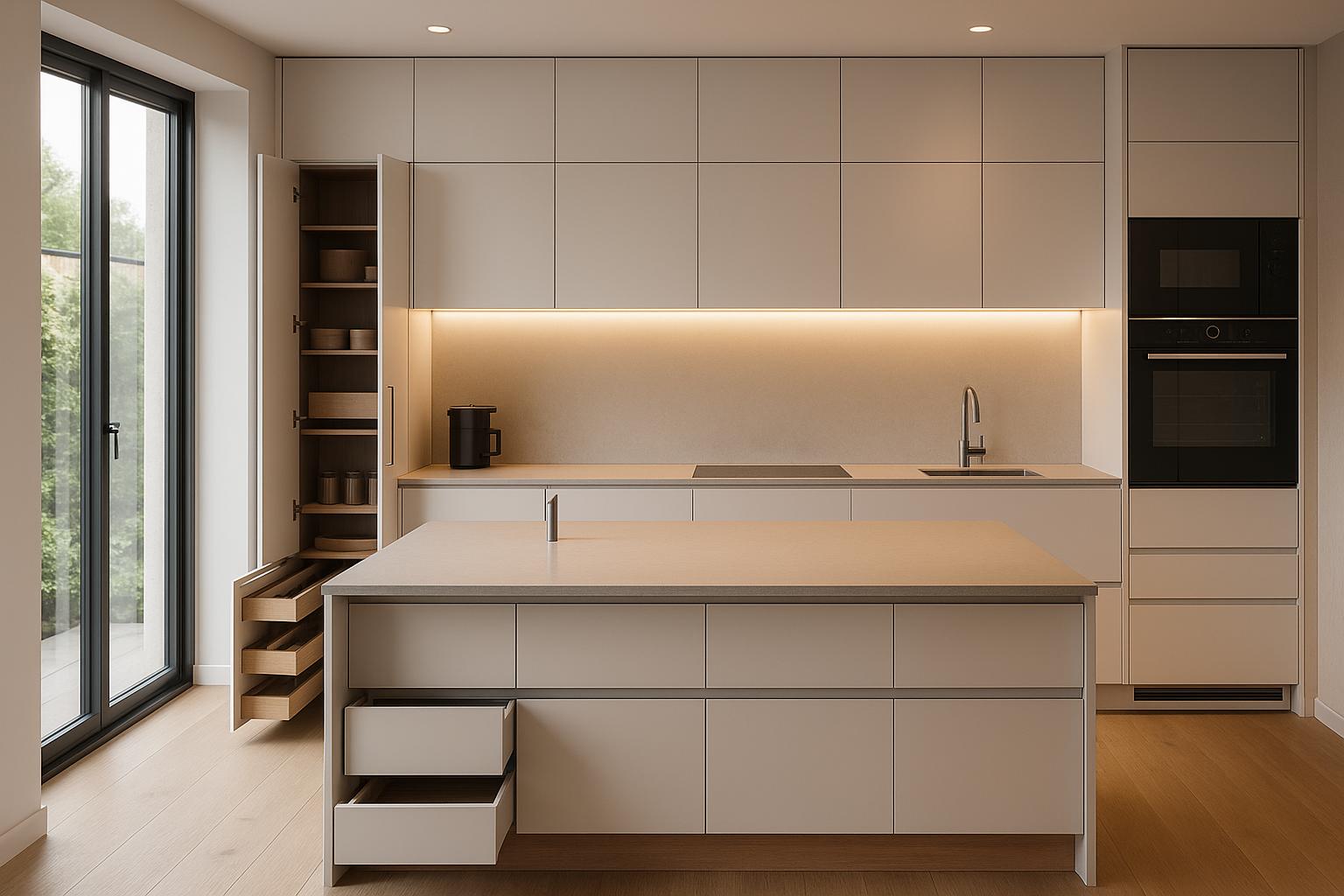
Another major trend is the seamless integration of appliances through panelization. Unlike older kitchen designs that prominently displayed stainless steel appliances, today’s homeowners are opting for a more cohesive, streamlined look. Panel-ready appliances blend into the cabinetry, creating a minimalist aesthetic that lets other design elements – like bold color choices or unique hardware – shine.
A Return to Panelization
Panel-ready designs aren’t new, but they’ve seen a resurgence thanks to homeowners’ desire for cleaner lines and less visual clutter. "We’re seeing a step back toward panelization", Gorman notes, emphasizing how this approach allows for greater customization and sophistication.
A Space for Everything
Modern kitchens are also addressing appliance-specific storage needs. From coffee stations to small appliance garages, today’s homeowners are creating dedicated spaces for their gadgets, ensuring countertops remain clear while functionality is enhanced.
Early Planning: Why Appliances Anchor Kitchen Design
While design and aesthetics often come to mind first, Gorman stresses the importance of starting with appliances when planning a kitchen. "Appliances are the anchor to a good kitchen", he explains. Early decisions about appliance types and placements influence the entire layout, from cabinetry to countertop space.
The Planning Process
- Conceptual Design: Begin by understanding how you use your kitchen. Do you entertain often? Are you passionate about cooking? These answers will dictate appliance choices and layout needs.
- Appliance Selection: Choose appliances before finalizing cabinetry or finishes. Whether it’s a double oven, cooktop, or panel-ready refrigerator, these selections will determine the design’s flow.
- Layering Design Elements: Once the appliances are chosen, layer in cabinetry, hardware, and other details to complete the aesthetic.
This approach ensures the kitchen isn’t just beautiful but also functional and well-suited to your lifestyle.
The Custom Touch: Personalization in Every Detail
One of the defining aspects of kitchen design in 2025 is the emphasis on personalization. As Gorman says, "The whole idea about a custom home is that you shouldn’t have to compromise on anything." This philosophy extends to every detail, from storage solutions to hardware choices.
Creative Storage Solutions
Homeowners are becoming increasingly creative with how they utilize space. A standout example shared by Gorman involves oversized kitchen islands, where hidden cabinetry was used to store cookbooks and rarely used appliances. "It was going to be wasted space", he explains, "so we designed it into the cabinets, which worked out wonderfully."
Functional Aesthetics
Even the smallest details, like cabinet hardware, can have a large impact. Gorman highlights how decisions about hidden or exposed hardware can dramatically affect the kitchen’s overall look and feel. These minute choices are what elevate a kitchen from standard to extraordinary.
The Collaborative Process Behind Great Kitchens
Great kitchens don’t happen in isolation – they’re the result of collaboration between multiple experts. Gorman credits much of his success to teamwork: homeowners, architects, interior designers, cabinet makers, appliance distributors, and builders all play vital roles.
Why Collaboration Matters
Gorman describes the process as a "collaborative approach to really pulling out the best in all the design and details." By leveraging expertise from various professionals, homeowners can feel confident that every aspect of their kitchen has been carefully considered.
Key Takeaways
Designing a modern kitchen requires thoughtful planning and attention to detail. Here are the most important insights for homeowners:
- Plan for Dual-Purpose Spaces: Separate functionality into a main kitchen (for entertaining) and a utility kitchen (for messy tasks) to maintain a clean, inviting atmosphere.
- Prioritize Appliances Early: Choose appliances at the start of the design process to ensure the layout and cabinetry work seamlessly around them.
- Opt for Panel-Ready Appliances: Hide refrigerators and dishwashers behind cabinetry for a sleek, cohesive look.
- Personalize Storage: Incorporate innovative solutions like hidden cabinets in oversized islands or dedicated coffee stations tailored to your needs.
- Pay Attention to Details: Small choices, like hardware or cabinet depth, can have a major impact on functionality and aesthetics.
- Collaborate with Experts: Work with architects, designers, and appliance specialists to create a kitchen that balances beauty and practicality.
- Embrace Decision-Making: While the process involves many decisions, breaking it into manageable steps ensures a smoother experience.
Conclusion
The kitchens of 2025 represent a perfect blend of form and function, where every detail is carefully considered to create spaces that are as beautiful as they are practical. Whether you’re planning a full remodel or simply looking to update your current kitchen, prioritizing collaboration, personalization, and early decision-making will help bring your dream kitchen to life. By embracing these trends, you can design a space that not only meets your needs but also enhances the way you live and entertain.
As Chris Gorman aptly put it, the future of kitchen design is all about collaboration – and that collaboration begins with you.
Source: "Conversations in Kitchen Design with Chris Gorman Homes" – Tisdel Distributing, YouTube, Aug 25, 2025 – https://www.youtube.com/watch?v=XVne1cZ__FU